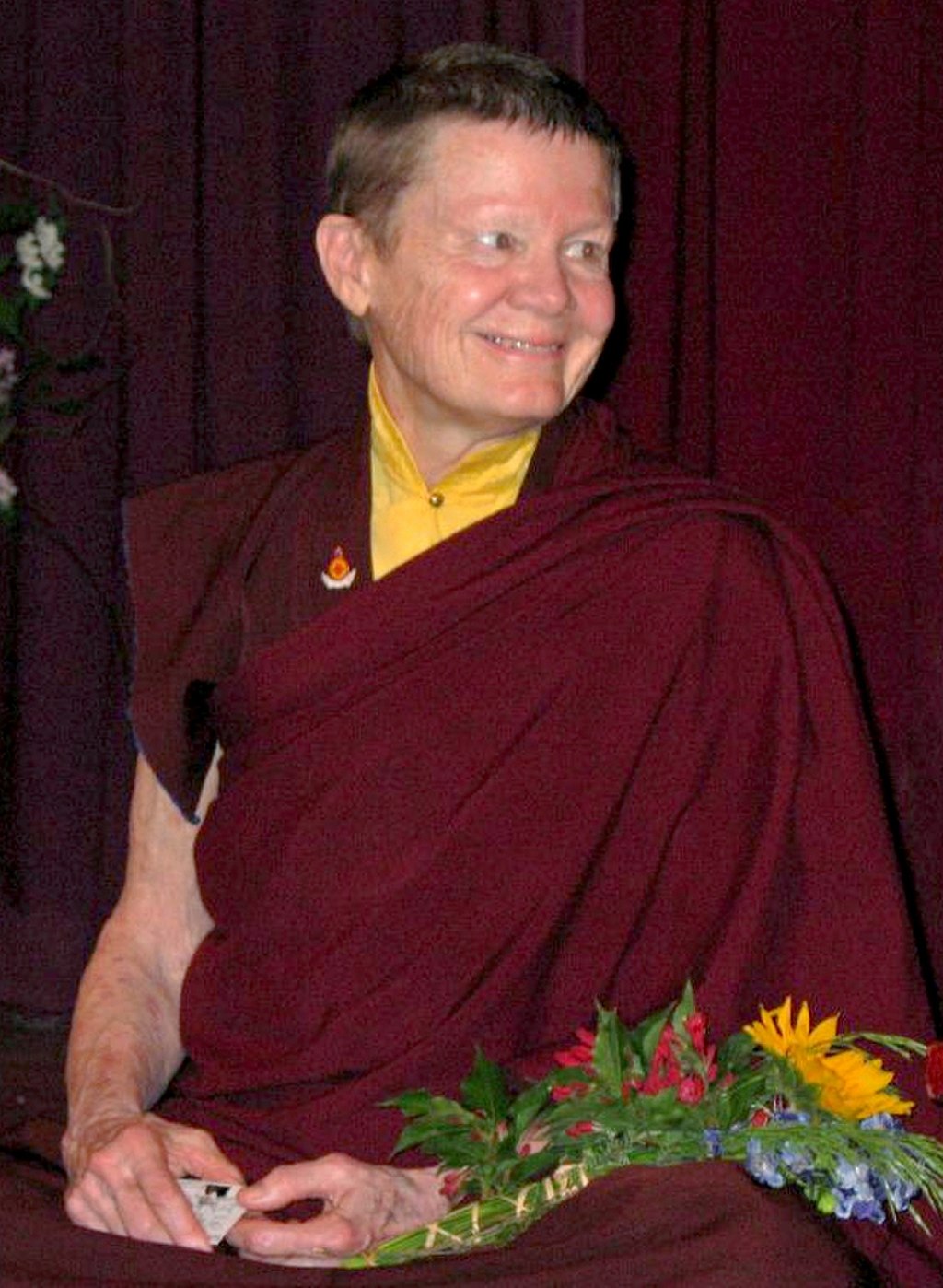
The Heart's Natural Opening: A Journey into Compassion
Pema Chödrön's assertion that "compassion arises naturally as the heart opens" invites us to explore the profound connection between vulnerability and empathy. This quote suggests that compassion is not merely a learned behavior or a moral obligation; rather, it is an innate response that emerges when we allow ourselves to be open and receptive. In a world often marked by division and indifference, understanding this natural unfolding of compassion becomes essential for fostering deeper connections with ourselves and others.
As we delve into this idea, we recognize that the heart's opening is not a passive event but an active engagement with our own experiences and emotions. It requires courage to confront our fears, insecurities, and the pain that life inevitably brings. By embracing this process, we create space for compassion to flourish, not only for ourselves but also for those around us. This exploration of the heart's capacity to open and the subsequent emergence of compassion is a journey worth undertaking, one that can transform our relationships and our understanding of what it means to be human.
The image / the metaphor
The imagery in Chödrön's quote evokes a sense of warmth and expansiveness, suggesting that the heart, when opened, releases a natural flow of compassion. The verbs "arises" and "opens" imply a dynamic process, one that is both organic and spontaneous. This opening is akin to a flower blooming, revealing its beauty and fragrance to the world. The felt sense of this metaphor is one of liberation; as we open our hearts, we shed the layers of fear and judgment that often inhibit our ability to connect with others.
Diving deeper into this metaphor, we can see that the heart's opening is not just about personal transformation but also about the interconnectedness of all beings. When we allow our hearts to open, we tap into a universal source of compassion that transcends individual experiences. This interconnectedness suggests that our capacity for compassion is not limited to our own suffering but extends to the collective human experience. In this way, the heart's opening becomes a gateway to understanding and embracing the shared struggles and joys of life.
In the speaker's tradition
Pema Chödrön's teachings are rooted in the Buddhist tradition, where concepts such as compassion (karuna) and emptiness (sunyata) play a crucial role. In Buddhism, compassion is seen as an essential quality that arises from the recognition of our shared suffering. This understanding aligns with the notion of kenosis, or self-emptying, which invites us to let go of our ego-driven desires and open ourselves to the needs of others. By embracing this selflessness, we create the conditions for compassion to arise naturally.
A relevant text that echoes this sentiment is the "Bodhicaryavatara" by Shantideva, which emphasizes the importance of cultivating compassion as a means to alleviate suffering. In this text, the author articulates the idea that true compassion arises when we recognize the interconnectedness of all beings and the impermanence of our own experiences. This perspective invites us to see that our hearts can open not only to our own pain but also to the pain of others, fostering a sense of unity and shared humanity.
Living the teaching
Consider a modern scenario where this teaching can be applied: a friend confides in you about their struggles with anxiety and loneliness. In this moment, the natural response might be to offer advice or solutions, but what if instead, you allowed your heart to open fully to their experience? By simply listening and holding space for their feelings, you embody the compassion that arises from an open heart. This act of presence can create a profound connection, allowing your friend to feel seen and understood in their vulnerability.
Another application of this teaching might occur within a challenging relationship, perhaps with a family member or colleague. When conflicts arise, it can be easy to retreat into defensiveness or blame. However, if we approach these moments with an open heart, we can begin to see the underlying fears and insecurities that drive our reactions. By acknowledging our own vulnerabilities and extending compassion toward the other person, we create an opportunity for healing and reconciliation, transforming the relationship into one of mutual understanding and support.
A reflection
As we contemplate Pema Chödrön's insight, we are invited to reflect on our own hearts and the ways in which we might open them further. What fears or barriers do we hold that prevent us from experiencing the natural flow of compassion? In what areas of our lives can we practice vulnerability, allowing compassion to arise not only for ourselves but also for those around us? This contemplation can serve as a guiding question, encouraging us to explore the depths of our hearts and the transformative power of compassion.



Join the BrightStar Community
Stay connected with daily inspiration, event announcements, and community wisdom