Awakening to the Witness Within
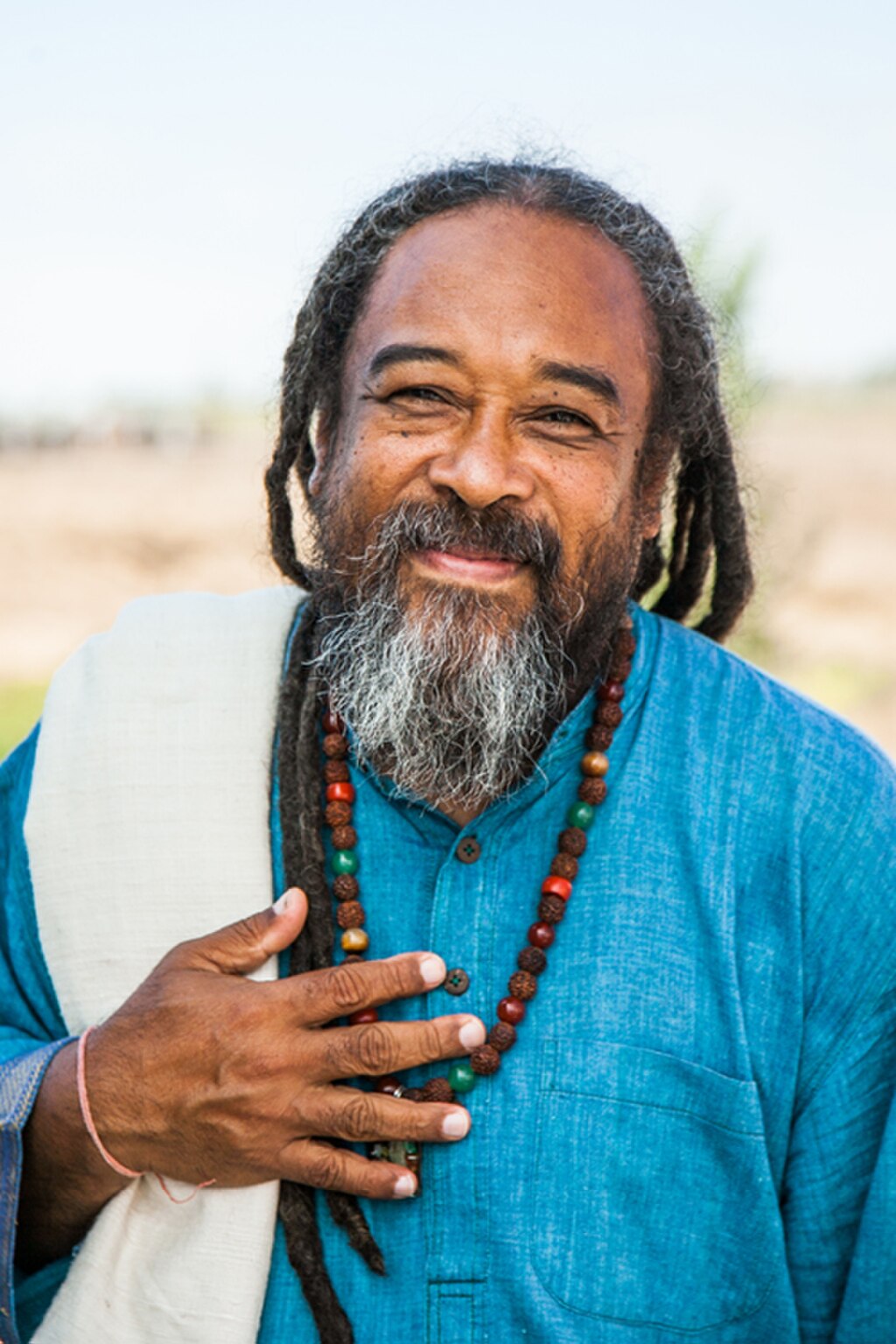
Mooji's assertion that "What we call life is happening to a body and mind. You are watching" invites us to explore the profound distinction between our experiences and the observer within us. This statement beckons us to recognize that while life unfolds through our physical and mental faculties, there exists a deeper aspect of our being that remains untouched by the chaos of existence. Understanding this separation is crucial for spiritual awakening, as it allows us to cultivate a sense of inner peace amidst the tumult of daily life.
In a world that often equates identity with the body and mind, Mooji's words serve as a gentle reminder that we are not merely the sum of our thoughts and experiences. Instead, we are the silent witness, the observer who perceives the unfolding drama of life. This perspective is not only liberating but also essential for navigating the complexities of human existence with grace and clarity. By embracing our role as the witness, we can cultivate a deeper understanding of ourselves and the world around us.
The image / the metaphor
The imagery in Mooji's quote evokes a sense of detachment and observation. The phrase "happening to a body and mind" suggests that life is an event, a series of occurrences that we experience rather than control. The use of the verb "watching" implies a passive yet engaged presence, one that is aware but not entangled in the drama of life. This metaphor of the witness is powerful; it invites us to step back and observe our thoughts, emotions, and experiences without becoming identified with them.
Diving deeper into this metaphor, we can envision life as a vast theater where the body and mind play their roles on stage. The witness, in this case, is the audience, observing the performance without being swept away by the narrative. This perspective allows us to appreciate the beauty and complexity of life while maintaining a sense of inner calm. By recognizing ourselves as the witness, we can cultivate a profound sense of equanimity, understanding that the events of life are transient and ever-changing.
In the speaker's tradition
Mooji's teachings are rooted in the non-dual tradition, which emphasizes the unity of all existence and the illusion of separation. Concepts such as *sunyata* (emptiness) and *fana* (annihilation of the self) resonate deeply with the idea of the witness. In this framework, the body and mind are seen as temporary manifestations of a deeper reality, while the witness represents the eternal aspect of our being. This understanding encourages us to transcend the limitations of our individual identities and recognize our interconnectedness with all that is.
A relevant text that echoes this sentiment is the *Ashtavakra Gita*, which speaks to the nature of the self as distinct from the body and mind. The sage Ashtavakra imparts wisdom on the importance of recognizing one's true nature as the observer, free from the fluctuations of the material world. This ancient text aligns beautifully with Mooji's message, reinforcing the idea that liberation comes from understanding our role as the witness rather than the participant in life's drama.
Living the teaching
Consider a modern scenario where this teaching can be applied: imagine a hectic day at work filled with deadlines and interpersonal conflicts. In such moments, it is easy to become overwhelmed by stress and anxiety, identifying ourselves solely with our thoughts and emotions. However, by practicing the art of witnessing, we can step back and observe these feelings without judgment. This shift in perspective allows us to respond to challenges with clarity and composure, rather than reacting impulsively.
Another application of this teaching can be found in our relationships. During a disagreement with a loved one, we may find ourselves caught up in the heat of the moment, feeling defensive or hurt. By embodying the witness, we can observe our reactions and emotions, creating space for understanding and compassion. This practice not only enhances our relationships but also fosters a deeper connection to our true selves, allowing us to navigate conflicts with grace and empathy.
A reflection
As we contemplate Mooji's profound insight, we are invited to explore the nature of our own witnessing. What does it mean for you to be the observer of your life? In moments of joy, sorrow, or chaos, how can you cultivate the awareness of the witness within? Reflecting on these questions can deepen our understanding of ourselves and our place in the world, guiding us toward a more peaceful and liberated existence.



Join the BrightStar Community
Stay connected with daily inspiration, event announcements, and community wisdom