The Forgotten Language of Being
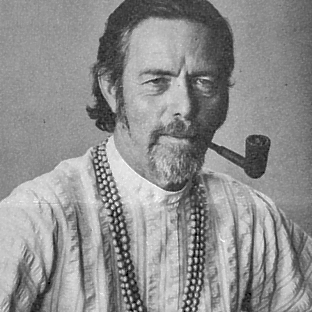
In the words of Alan Watts, "What we have forgotten is that thoughts and words are conventions." This statement invites us to reconsider the very fabric of our communication and understanding. It suggests that the language we use, along with the thoughts we entertain, are not absolute truths but rather agreed-upon symbols that can obscure deeper realities. Recognizing this can lead us to a more profound engagement with our experiences, allowing us to transcend the limitations imposed by conventional language.
Watts's insight urges us to reflect on how often we take our thoughts and words for granted, mistaking them for the essence of reality itself. In a world increasingly dominated by verbal exchanges and written texts, we may find ourselves trapped in a web of meanings that distract us from the immediacy of our lived experience. By acknowledging that language is a tool, not a definitive representation of truth, we open ourselves to a more authentic way of being, one that transcends the confines of conventional thought.
The image / the metaphor
At the heart of Watts's quote lies a rich tapestry of imagery that evokes the transient nature of language. The term "conventions" suggests a social agreement, a collective understanding that binds us in communication yet can also limit our perception. Words are like signposts on a journey; they guide us but can also lead us astray if we mistake them for the destination itself. The verbs "have forgotten" imply a loss of awareness, a disconnection from the essence of our experience, inviting us to remember the fluidity of existence beyond rigid definitions.
Diving deeper into the metaphor, we can see that thoughts and words act as filters through which we interpret our reality. They shape our perceptions, often confining us to a narrow understanding of the world. When we cling to these conventions, we risk losing sight of the vastness of experience that lies beyond language. In this sense, Watts encourages us to embrace a more expansive view of reality, one that recognizes the limitations of our verbal constructs while simultaneously celebrating the richness of direct experience.
In the speaker's tradition
Alan Watts, a prominent figure in the Zen tradition, draws upon concepts that resonate deeply with his assertion about language. In Zen, the notion of sunyata, or emptiness, speaks to the idea that all phenomena, including thoughts and words, are devoid of inherent meaning. This understanding invites practitioners to engage with the world without the constraints of preconceived notions, allowing for a more authentic experience of reality. The Zen practice of koan meditation, which often involves paradoxical statements, further illustrates the limitations of language in conveying deeper truths.
In his work, Watts often references the Dharma, the cosmic law and order that governs the universe. By recognizing that our thoughts and words are merely conventions, we align ourselves more closely with the Dharma, which transcends linguistic boundaries. This perspective echoes the teachings found in texts such as the Heart Sutra, which emphasizes the emptiness of all phenomena, urging us to look beyond the surface of language to grasp the essence of existence.
Living the teaching
Consider a modern scenario where this teaching can be applied: a heated discussion about a contentious issue. In such moments, we often become entrenched in our positions, wielding words as weapons rather than tools for understanding. By remembering that our thoughts and words are conventions, we can approach the conversation with a sense of openness, recognizing that our perspectives are not absolute truths but rather interpretations shaped by our experiences. This awareness can transform conflict into a dialogue, fostering deeper connections and mutual understanding.
In the realm of relationships, the implications of Watts's insight are equally profound. When misunderstandings arise, we may find ourselves clinging to our interpretations of words and actions, leading to unnecessary strife. By embracing the idea that language is a convention, we can cultivate a practice of active listening and empathy, allowing us to see beyond the surface of our words. This shift in perspective can pave the way for healing and reconciliation, as we learn to appreciate the intentions behind the words rather than the words themselves.
A reflection
As we contemplate Alan Watts's assertion that "thoughts and words are conventions," we are invited to explore the nature of our own communication and understanding. How often do we allow our preconceived notions to cloud our perception of reality? In what ways can we cultivate a deeper awareness of the limitations of language in our daily lives? Reflecting on these questions can lead us to a more profound engagement with our experiences, encouraging us to embrace the richness of existence beyond the confines of conventional thought.



Join the BrightStar Community
Stay connected with daily inspiration, event announcements, and community wisdom